Astronomy
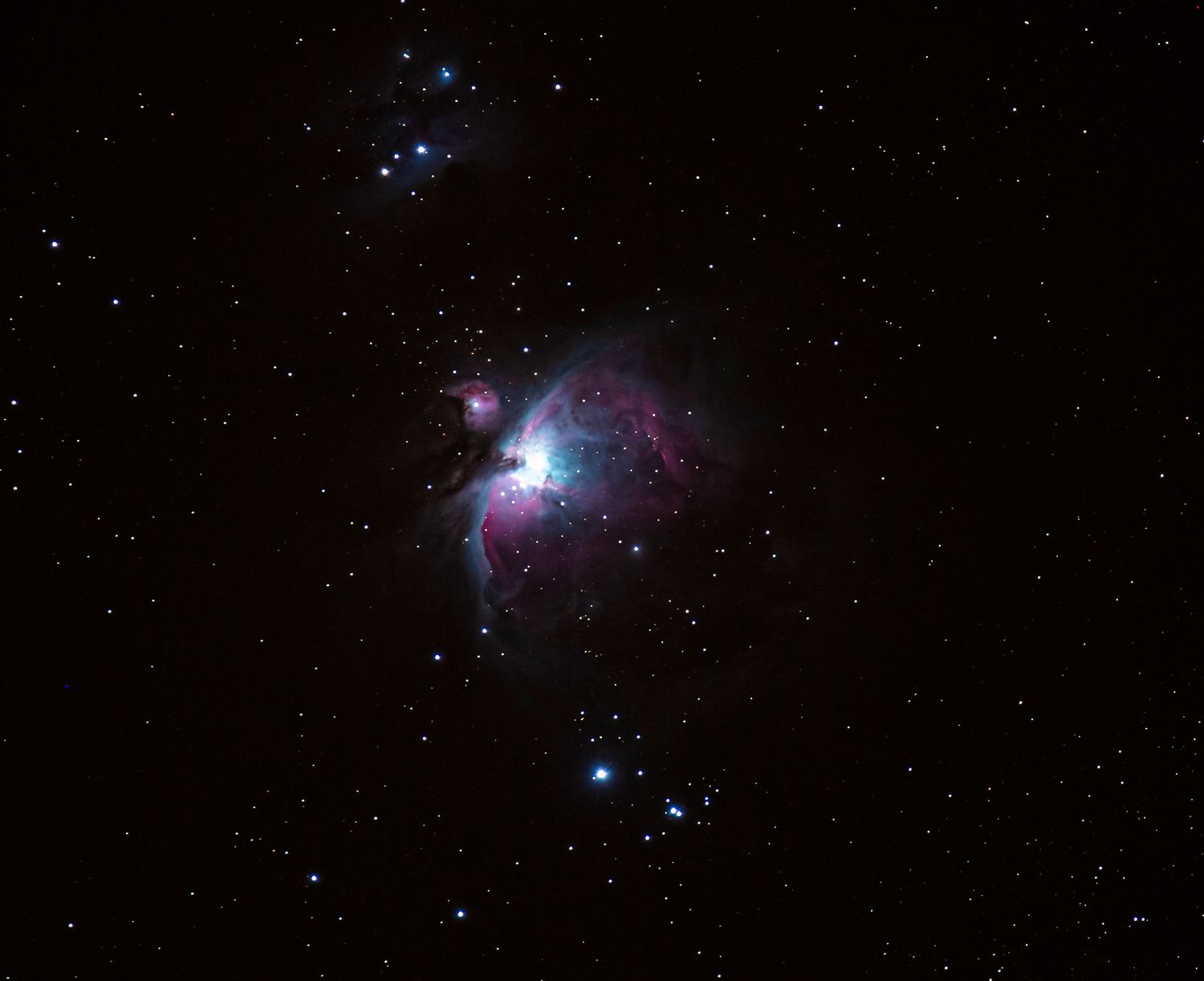
Orion Nebula
The Orion Nebula is one of the closest and brightest regions of star formation in our galaxy. Located 1344 ± 20 lightyears away, it hosts gas 2000 times the mass of the sun and is 24 lightyears across. The red colouring comes from hydrogen-alpha recombination (where hydrogen electrons fall from the third-lowest to second-lowest energy level) and the blue hue is a reflection of light coming from the O-class stars within the nebula. It is thought that the nebula contains about 700 stars at various stages in their lives.
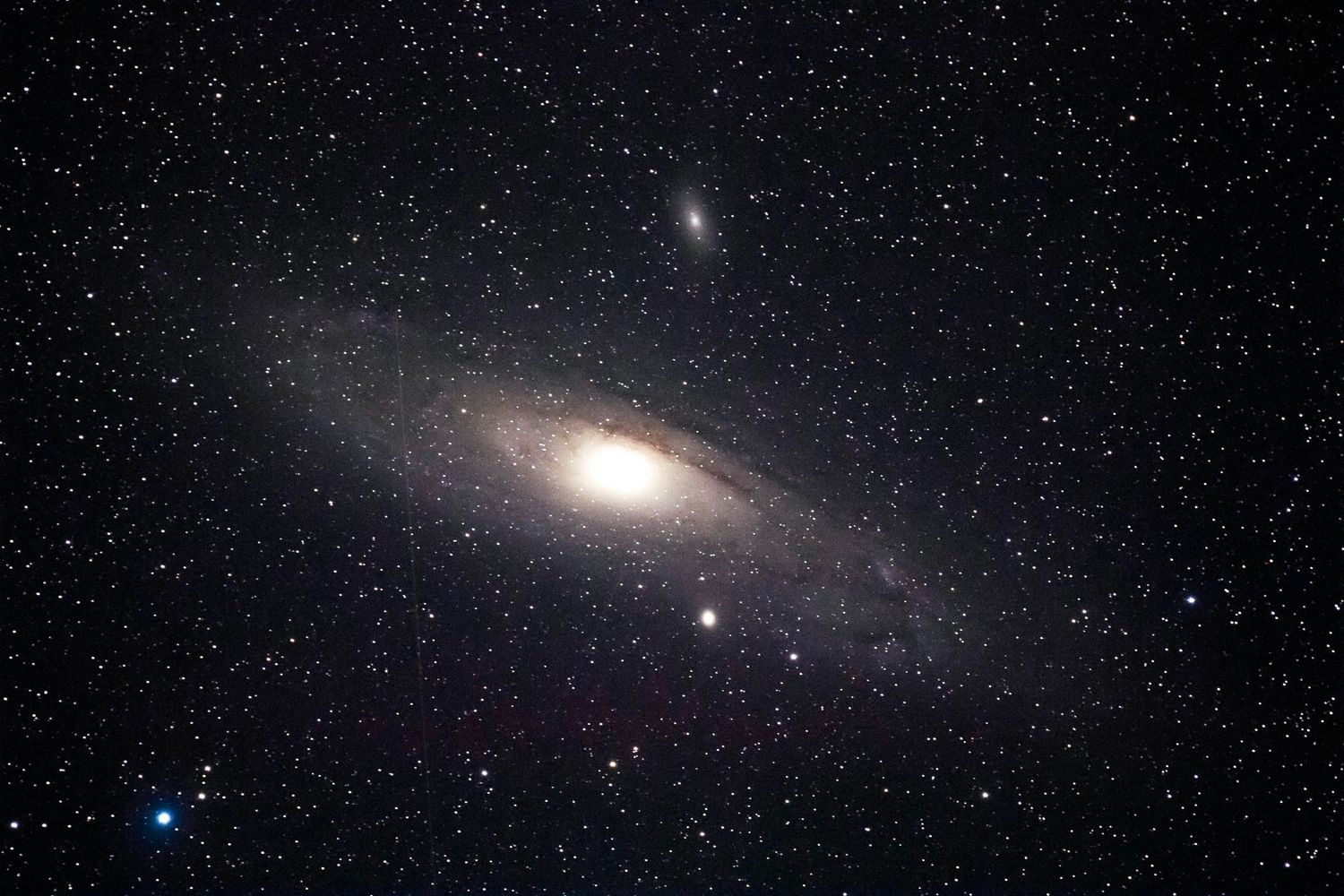
aNDROMEDA
Andromeda galaxy is the Milky Way’s closest neighbour. Its spiral structure is very similar to our own, and its proximity makes it part of the Milky Way’s “Local Group” - a group of galaxy-class objects which are gravitationally bound. This means that, unlike most other objects in the universe, Andromeda is in fact moving towards us. In several billion years it will merge with the Milky Way, but due to the immense distances between stars, it’s very unlikely to cause damage or disruption to our solar system.
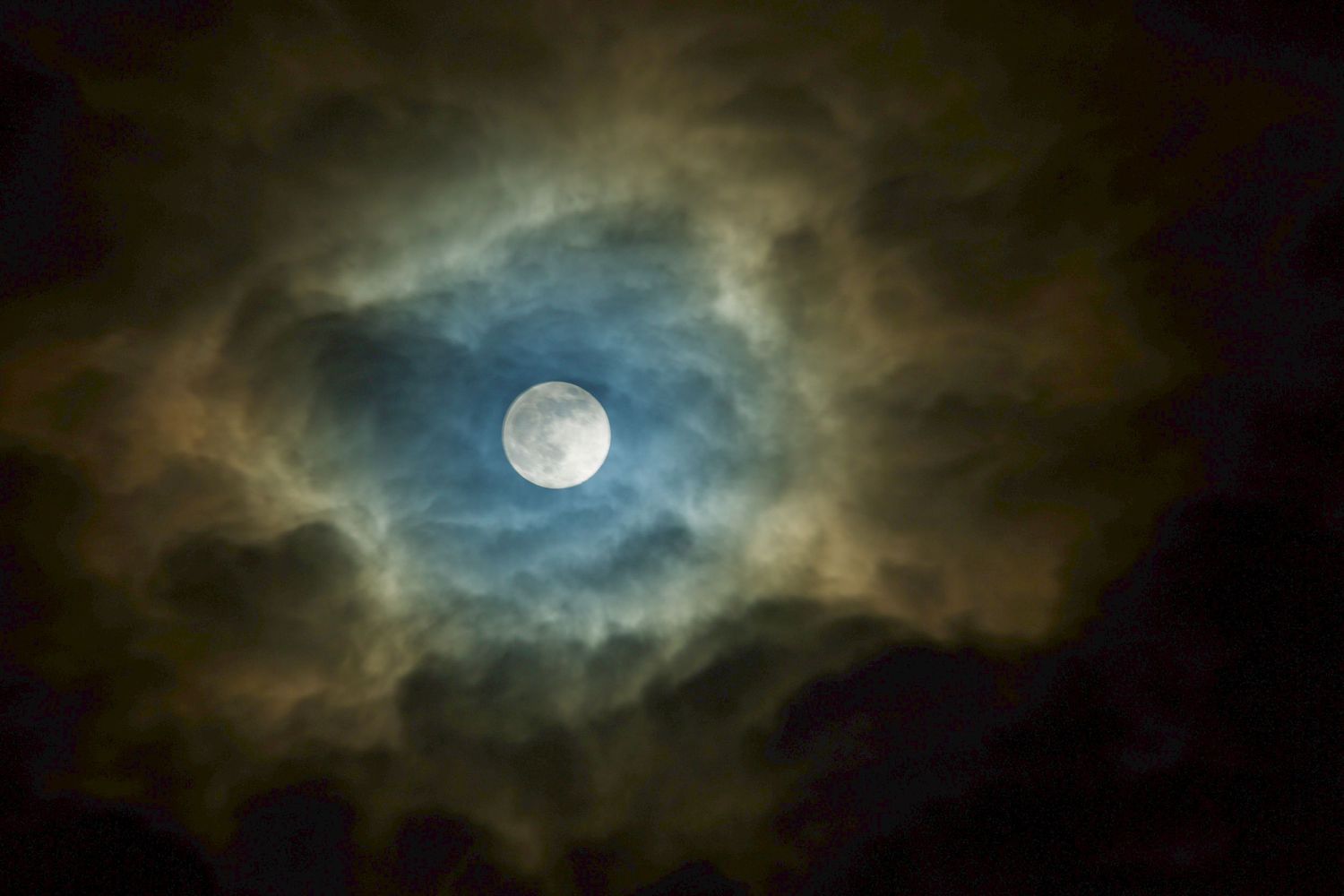
SUPERMOON
The Supermoon occurs when a full moon coincides with the closest point of the Moon’s orbit to Earth, resulting in a slightly larger and brighter lunar disk. There are usually three or four Supermoons each year.
Tom took a first class Masters degree from Durham University in 2020, finally graduating (post pandemic) in 2022. His dissertation on NGC 1275 and black holes is due to be published later this year. His article for the Marlburian Club magazine on the college's venerable and distinguished telescope was published in December 2023. Tom now operates satellites in Low-Earth Orbit for the satellite company One Web (now Eutelset).